
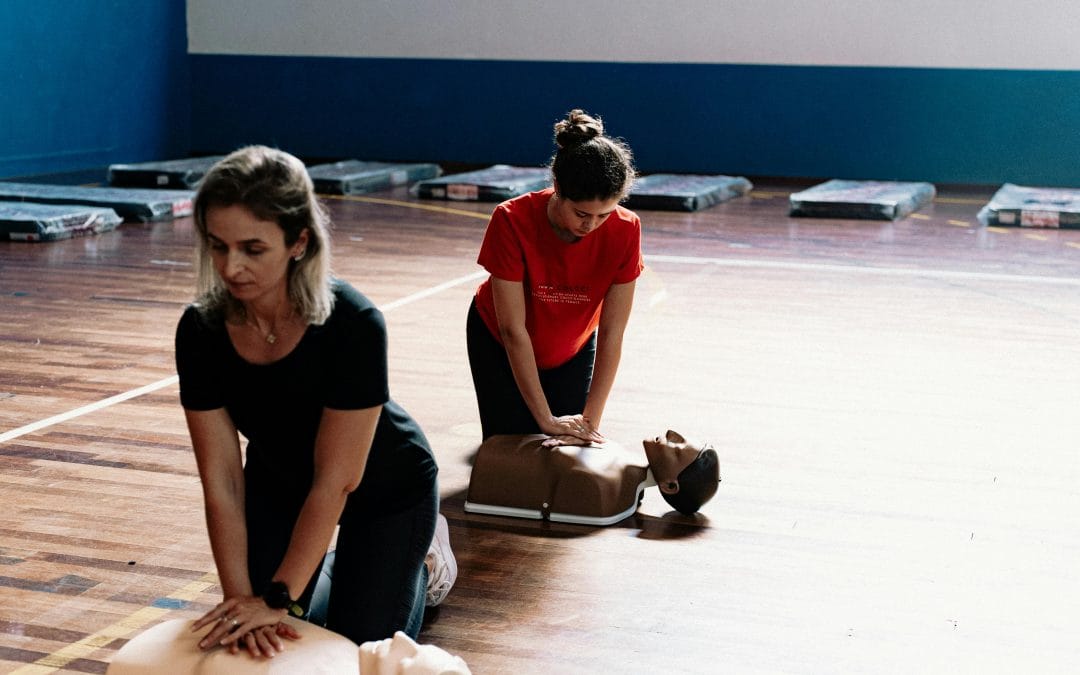
In the moments after sudden cardiac arrest, survival most often depends not on hospitals or paramedics, but on immediate bystander action. Each year, hundreds of thousands suffer cardiac arrest outside hospitals, where seconds matter, and emergency systems face unavoidable response delays.
A scalable solution lies not in advanced technology, but in empowering the public with lifesaving skills. Community CPR programs train everyday citizens, becoming a cornerstone of public health strategy. By creating networks across neighborhoods, workplaces, and schools, they strengthen the chain of survival.
In this article, we’ll examine how widespread CPR training improves survival, reduces disparities, strengthens communities, and supports cost-effective healthcare.
Expanding Immediate Response During Medical Emergencies
According to the American Heart Association, cardiac arrest claims 436,000 American lives annually. Globally, its mortality rate surpasses the combined impact of colorectal, breast, and prostate cancers, influenza, and auto accidents. These staggering figures highlight why community intervention is vital; widespread CPR training is the only way to combat such a pervasive crisis.
Community CPR programs expand the number of people able to act during emergencies, ensuring lifesaving help begins quickly. Survival after cardiac arrest depends on rapid intervention, since brain injury can start within four to six minutes. Greater bystander readiness shortens response times, stabilizes patients sooner, and improves overall emergency care outcomes.
Strengthening Public Health Preparedness at the Community Level
Community CPR programs go beyond skill sharing to become core pillars of public health preparedness. When integrated into schools, workplaces, and community centers, they create a culture of readiness. This approach embeds lifesaving action into daily life, forming resilient networks that sustain the Chain of Survival until professional help arrives.
New Castle County Public Safety reports that less than one-third of out-of-hospital cardiac arrest victims currently receive bystander assistance. This gap highlights a critical weakness in local preparedness. However, immediate CPR can double or triple survival chances. It proves that community-wide training is a vital tool for improving public health outcomes.
The Role of Trained Healthcare Leaders in Community CPR Programs
The success of community CPR initiatives depends heavily on expert leadership. Healthcare professionals act as architects, translating complex clinical guidelines into accessible public training. Their role extends beyond simple instruction to designing evidence-based curriculum frameworks.
They ensure techniques like compression depth align with current medical protocols. This advanced clinical knowledge is crucial for addressing common bystander fears. Ultimately, their expertise ensures that community education remains both accurate and high-impact.
Leadership in community CPR outreach is increasingly driven by advanced nursing practitioners. Many nurses pursuing MSN specialty degree programs focus on public health, leadership, and education. Their advanced training helps bridge hospital-level expertise with effective, community-based prevention efforts.
Cleveland State University notes that earning an MSN degree prepares professionals to lead and apply innovations in care delivery. Graduates develop competencies across the continuum of care. Coursework builds advanced skills in advocacy, education, policy, leadership, and interdisciplinary teamwork. Through education, mentorship, and advocacy, healthcare leaders strengthen trust and expand community CPR impact.
Improving Outcomes for Vulnerable and High Risk Populations
Community CPR programs improve survival for vulnerable and high-risk groups, including older adults and underserved communities. These populations often experience delayed emergency response due to mobility, access, or geographic barriers. Expanding CPR training enables earlier intervention, reduces health disparities, and improves long-term survival and recovery outcomes.
The Sudden Cardiac Arrest Foundation reports that 350,000 Americans experience out-of-hospital cardiac arrests annually, facing a staggering 90% fatality rate. In 2024 alone, CARES documented 137,119 of these events. These statistics emphasize the urgent need for targeted CPR programs to prevent these high-risk incidents from becoming fatal.
Building Long-Term Health Awareness and Prevention
Community CPR programs promote broader health literacy by shifting focus from reaction to prevention. Training often includes education on risk factors like hypertension and sedentary lifestyles. This awareness encourages preventive behaviors and reduces cardiac events. When integrated into schools, CPR education builds lifelong responsibility for heart health and community safety.
The Heart and Stroke Foundation emphasizes that prevention begins with understanding personal risk. Approximately 80% of early heart disease and stroke occurrences can be avoided through prevention. Healthy behaviors such as balanced nutrition, regular physical activity, and living smoke-free significantly influence long-term cardiovascular health and overall well-being.
Measuring the Public Health Impact of Community CPR Initiatives
To evaluate the success of community CPR programs, public health officials rely on data-driven metrics that track the entire “chain of survival.” The primary indicators of impact are the rates of bystander-initiated CPR and the use of automated external defibrillators (AEDs). By comparing survival-to-discharge data, communities can pinpoint neighborhoods or settings needing more targeted CPR training efforts.
Ongoing surveillance through registries supports long-term benchmarking of CPR outcomes. This data helps local governments justify continued funding. It demonstrates clear links between community CPR initiatives, improved neurological outcomes, and stronger community resilience.
Frequently Asked Questions
How often should community members renew their CPR certification?
Most health organizations advise renewing CPR certification every two years. Regular renewal keeps skills current, techniques accurate, and confidence high during emergencies. Refresher training strengthens muscle memory, enabling faster reactions and more effective action during real-life cardiac arrest situations.
Who funds most community-based CPR training programs?
Public health departments, government grants, and healthcare systems primarily fund community CPR programs. Additionally, nonprofit organizations and private sponsors provide critical financial support. These partnerships allow charities and corporate entities to expand educational access through vital community outreach initiatives.
How does CPR training impact confidence during real emergencies?
CPR training significantly increases confidence during real emergencies by reducing panic and uncertainty. Trained individuals are more likely to act quickly, follow proper techniques, and coordinate with emergency services. This confidence leads to faster intervention, improved teamwork, and better outcomes when every second is critical.
A Stronger, Safer Future Through Community CPR Training
Community CPR programs are a powerful investment in public health, transforming everyday citizens into confident first responders. They expand immediate response capabilities and strengthen preparedness across neighborhoods and public spaces. These initiatives also support vulnerable populations by reducing delays in life-saving interventions.
By promoting long-term health awareness, they help lower preventable cardiac risks. When CPR education is prioritized, communities become safer, more resilient, and better equipped to protect public health.